

The first monday in may
Cuevana 3
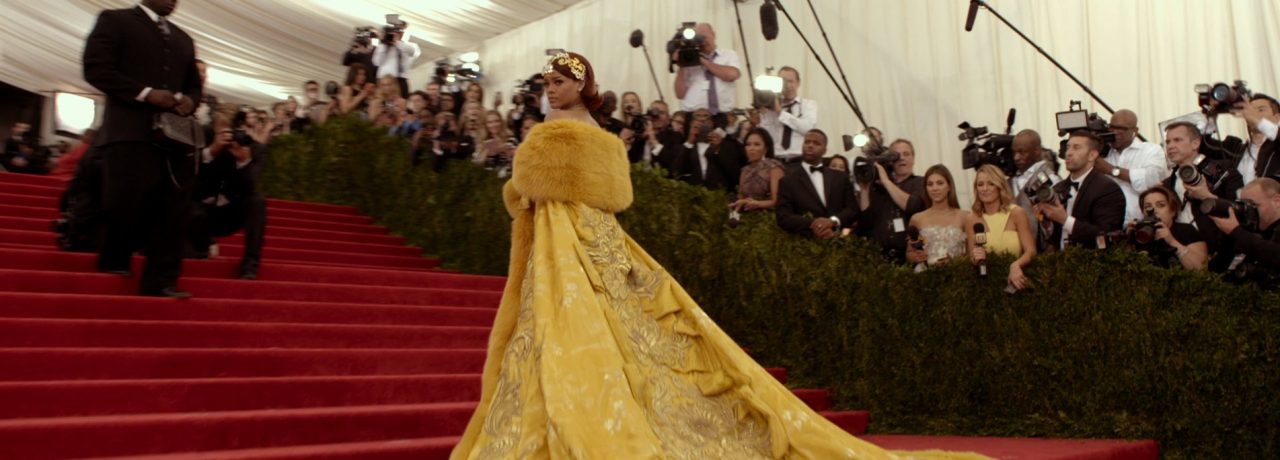
Although the exhibition that has just closed is Manus x Machine: Fashion in the Age of Technology (whose translation from Latin and English is Mano x Máquina: La Moda en la Era de la Tecnología) that we show you in El Estilo piece by piece, the film tells how the previous exhibition, China Through The Looking Glass, which opened on the first Monday of May 2015, was created, organized and carried out. It was intended to show how Chinese culture and fashion have inspired and influenced the creation of fashion in the West, as well as to raise awareness of Chinese fashion today and throughout history.
Fresh dressed
The International Workers’ Day or May Day is the commemoration of the world labor movement. It is a day that has been habitually used to make different social and labor demands in favor of the working classes, mainly by the anarchist and communist movements, among others. It is a national holiday in most countries of the world.
Since its establishment in most countries (although the consideration of the holiday was in many cases late) by agreement of the Socialist Workers Congress of the Second International, held in Paris in 1889, it is a day of struggle and tribute to the Chicago Martyrs. These anarchist syndicalists were executed in the United States for participating in the days of struggle for the achievement of the eight-hour workday, which had its origin in the strike that began on May 1, 1886 and its climax three days later, on May 4, in the Haymarket Revolt. From then on, it became a day to vindicate workers’ rights in a general sense that is commemorated to a greater or lesser extent all over the world.
Documentary on the first monday in may
The International Workers’ Day or May Day is the commemoration of the world labor movement. It is a day that has been habitually used to make different social and labor demands in favor of the working classes, mainly by the anarchist and communist movements, among others. It is a national holiday in most countries of the world.
Since its establishment in most countries (although the consideration of the holiday was in many cases late) by agreement of the Socialist Workers Congress of the Second International, held in Paris in 1889, it is a day of struggle and tribute to the Chicago Martyrs. These anarchist syndicalists were executed in the United States for participating in the days of struggle for the achievement of the eight-hour workday, which had its origin in the strike that began on May 1, 1886 and its climax three days later, on May 4, in the Haymarket Revolt. From then on, it became a day to vindicate workers’ rights in a general sense that is commemorated to a greater or lesser extent all over the world.
Met gala 1948
While it has not been determined exactly how this holiday originated, scholars typically attribute the idea to one of two labor union members: Peter J. McGuire, of the carpenters’ union, or Matthew Maguire, of a machinists’ local union in Paterson, New Jersey.
The first Labor Day celebration took place in New York City on September 5, 1882. The date was apparently chosen because it was roughly midway between the Fourth of July and Thanksgiving celebrations. The occasion was celebrated with a parade, sponsored by the Knights of Labor (one of the first labor unions in the United States) and approximately 10,000 workers marched.
The following day, The New York Times reported that «those who rode or paraded were very happy and evidently much pleased with the display….. The vast majority smoked cigars and all seemed intent on having a good time in the areas where the field day was held.» Banners called for «eight hours a day work» and «less hours and more pay.»


Más historias
Reformas integrales pisos con calidad, diseño y garantía
Empresas de interiorismo Madrid para viviendas y negocios
Innovación en el diseño de interiores: el impacto de la personalización y la sostenibilidad